Split Aces Exposure Vegas: How Many Cards?
Split aces in Vegas and the dealer's hole card math changes instantly — the number of cards you'll see before resolution is not a fixed constant, and any player who treats it as one is bleeding equity on every single hand. The moment you peel two aces and push out a second bet, the deck composition, the shuffle profile, and the table's penetration rate collide into a hard question: exactly how many cards get exposed before your split hands settle? 🎰
The answer hinges on a brutal mechanical truth. A split ace receives exactly one card per hand in nearly every Vegas house, and that single card is the terminal event for each sub-hand unless the house allows resplitting or hits split aces. Most Strip properties — and this is the part the tourist crowd never reads — cap you at one card per split ace, no exceptions. So the exposure count per split hand is one card, period. Two aces split into two hands equals two cards drawn, and your total wager doubles against a dealer upcard that now faces a thinner shoe.
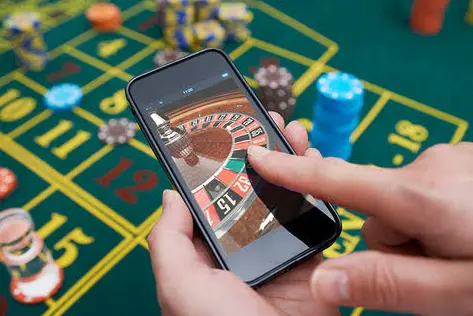
The One-Card Rule and Its Hidden Arithmetic
Here's where the sharp money separates from the slot-feeders. When the house enforces the one-card restriction on split aces, your hand cannot improve beyond a ten-value card or a soft total, and the split aces exposure becomes a deterministic model: two cards out, two hands locked, dealer resolves against a reduced deck. The penetration math matters because a single-deck game in a downtown Vegas pit removes those two cards from a 52-card pool — a 3.8% depletion that shifts every subsequent true count by a measurable margin. In an eight-deck shoe, that same two-card removal is noise. The variance between formats is not cosmetic; it's the entire edge structure. ♠️
Now run the resplitting scenario. A handful of Vegas properties permit resplitting aces, and when they do, the card count explodes. Split once, draw an ace, split again — you're now three hands deep with three cards exposed and three bets riding. The maximum exposure under liberal resplit rules can climb to four hands and four cards in a single round, which means your total risk quadruples against a dealer who has seen zero of your drawn cards. The house knows this asymmetry and prices it into the table minimums. That's not charity; that's a trap for players who don't count the cards before they commit.

Penetration, Shuffle Tracking, and the Real Card Count
Vegas shuffle machines and hand-shuffles treat split-ace exposure differently, and the audit trail proves it. On a continuous shuffler, the two cards you draw on a split are recycled almost immediately, so the card exposure count resets to zero within seconds — your split is functionally card-neutral. On a hand-shuffled double-deck game with 60% penetration, those two cards are gone for the rest of the shoe, and a counter who tracks them gains a genuine informational edge. The number of cards you see on a split ace is therefore not just a rule question; it's a penetration question, and penetration is where the house either leaks or seals its advantage. 🃏
Dealer procedure adds another layer. Some Vegas pits burn a card after a split ace is resolved, some don't, and the difference in exposed-card count between properties can be one to three cards per round depending on local dealing standards. If you're auditing a table, watch the burn. The number of cards that leave the shoe on a split-ace round is the sum of your drawn cards, the dealer's resolution cards, and any procedural burns — and that total, not the rulebook headline, is the figure that actually moves your expected value.
The Bottom Line on Exposure Math
Count the cards, not the hype. Standard Vegas split-ace exposure is one card per hand with no resplit, two cards total on a standard split, and up to four cards in the rare liberal-resplit houses. Track the burn, verify the penetration, and never assume the shoe is static after your split — because the dealer's next card is already priced against the cards you pulled, and the house has done that arithmetic ten thousand times before you sat down.